



Electricity. Connectivity. AI.
The Operating System of Tomorrow’s Buildings.
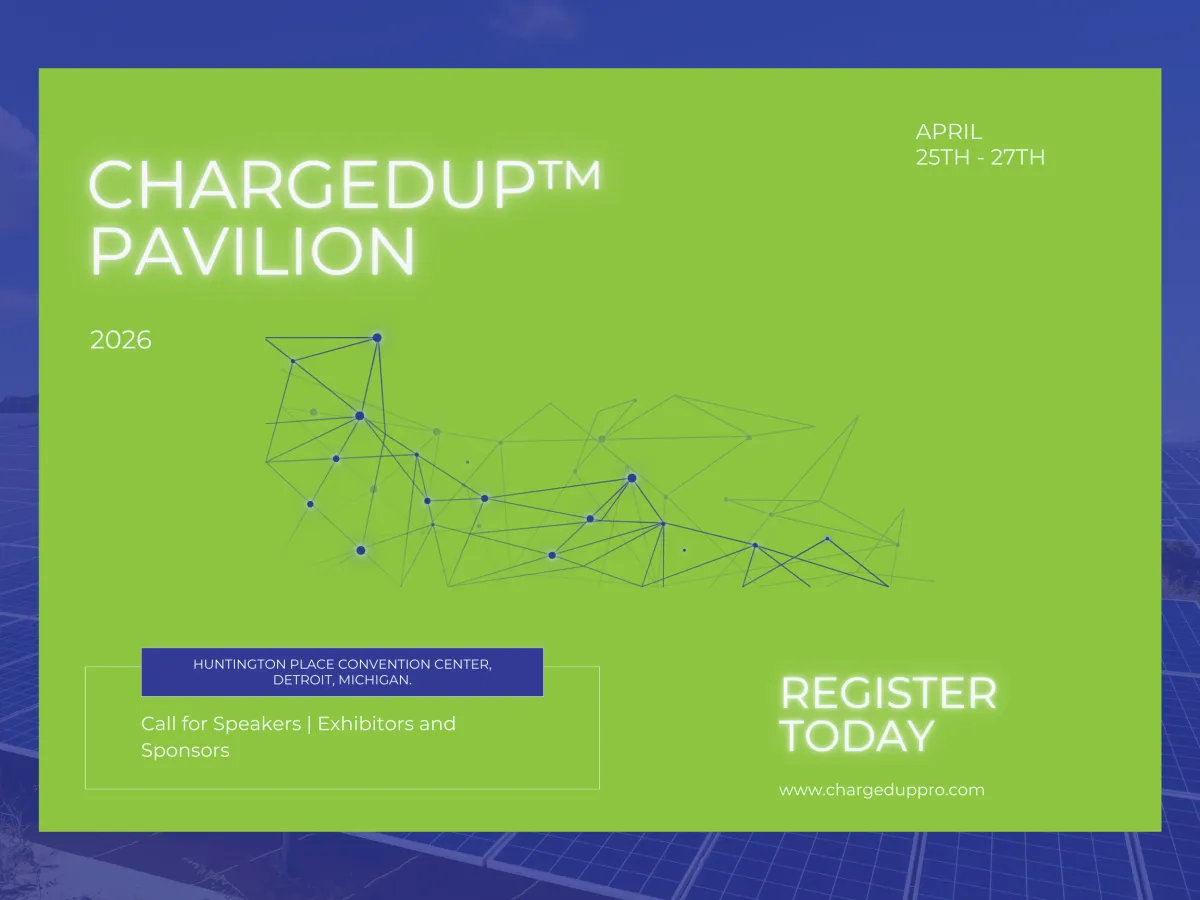
A commercial real estate transformation is underway. From electrification and microgrids to AI-driven control systems and real-time connectivity—ChargedUp! helps owners, operators, and investors make sense of the change and capitalize on it through news, trends and events. Join us in Detroit for the second ChargedUp! Pavilion at the APA's National Planning Conference April 25th - 27th, 2026.

ChargedUp! is moving to Substack!
Our new home expands our capabilities to foster conversation among real estate owners, facilities managers and planners about how to respond to today’s energy transition efficiently, equitably and sustainably.
Learn more about the changes here, and enter your email to join us at our new home.
About ChargedUp!™
Energy systems are evolving faster than our current grid that supports them.
As costs rise, constraints tighten, and intelligence becomes essential, property owners and operators are moving beyond traditional utility dependence. Solar, wind, battery storage, heat pumps, microgrids, and automated control systems are no longer experimental—they are operational necessities.
ChargedUp™! exists to make sense of this transition.
We publish independent reporting, analysis, and practical frameworks focused on how modern energy infrastructure performs in the real world—financially, operationally, and at scale. By joining the ChargedUp™ community, you can stay informed on all the latest industry insights.
What We Do
ChargedUp! works with infrastructure and technology providers to educate the market, not interrupt it. Through advertising, sponsored editorial, events, and full-service agency support, we help brands connect with the right audience in credible, high-impact ways. Whether you’re building awareness or driving demand, we meet you where strategy and execution intersect.
Who We Serve
Through editorial coverage, conversations with industry leaders, and live experiences, ChargedUp! connects insight with action, helping the market move forward with confidence.
Owners, Operators & Planners
If you’re responsible for buildings, portfolios, or infrastructure strategy, ChargedUp! delivers insight to help you evaluate technologies, manage risk, and plan for long-term resilience.
Vendors & Solution Providers
If you build, finance, or deploy infrastructure solutions, ChargedUp! helps you reach decision-makers through trusted editorial platforms, live experiences, and targeted engagement.
What We Offer
Advertising, Banner Ads & Performance marketing
thought leadership and Sponsored Content


HubSpot & CRM implementation
Live Events, Podcasts & Webinars
lead generation, email marketing & prospecting
full service agency
What We Offer
Advertising, Banner Ads & Performance marketing
thought leadership and Sponsored Content
HubSpot & CRM implementation
Live Events, Podcasts & Webinars
lead generation, email marketing & prospecting
full service agency
Featured Stories
ChargedUp! Moves to Substack to Foster Continued Growth
The ChargedUp! team is excited to announce its migration to Substack as our new home for electrification industry insights, commentary and dialogue. ...more
Company News
October 14, 2026•2 min read

The True Cost of Power: A Two-Front Squeeze as Rates Hit a 24-Year High and Oil-Linked Fuels Spike
Rates hit a 24-year high at 5.36 percent and an oil shock lifted heating oil and diesel before winter, while natural gas stayed cheap. The squeeze is splitting by fuel, and owners can control which on... ...more
True Cost of Power
October 07, 2026•6 min read
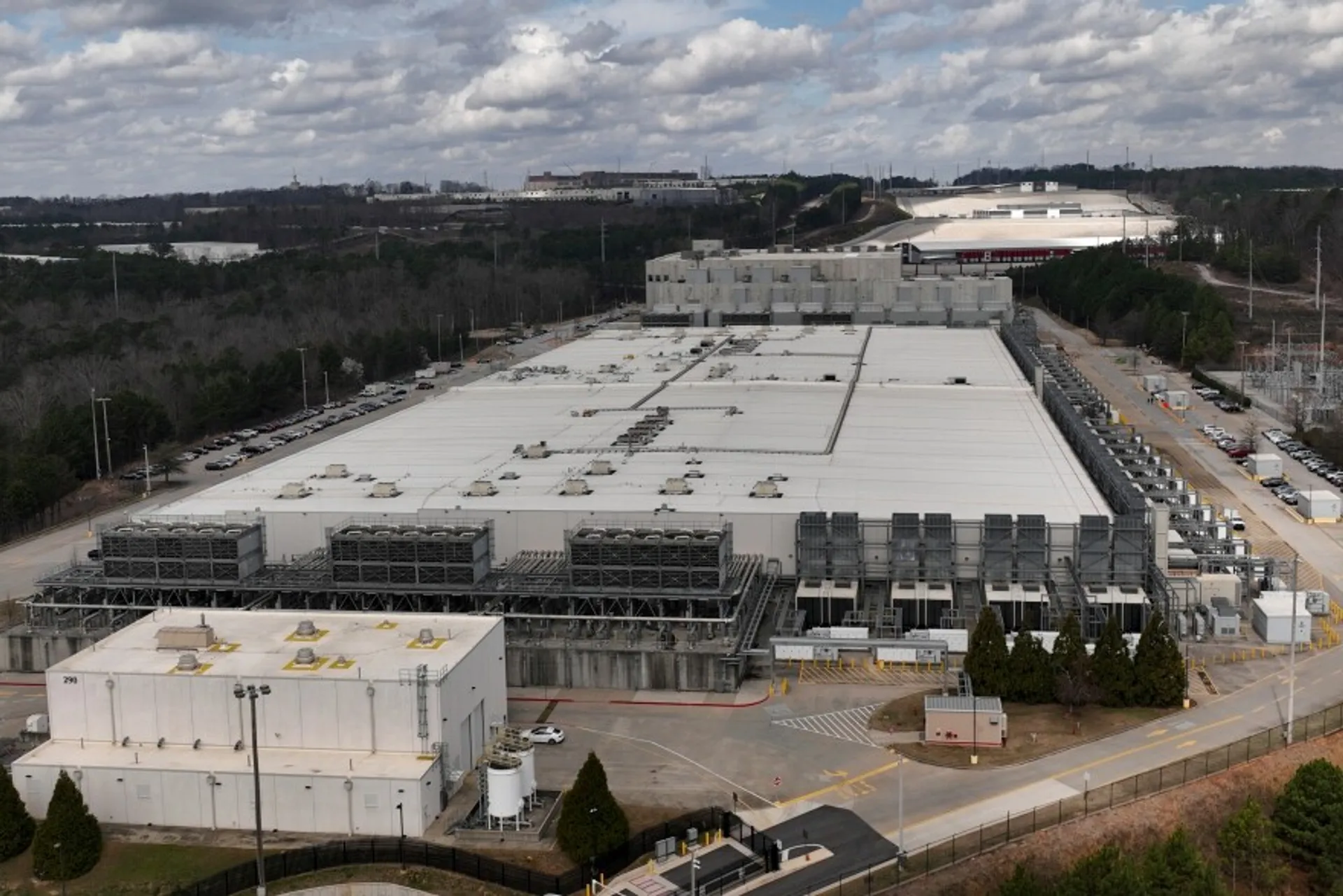
Who Pays for the Data Center Power Crunch? A FERC Ruling Puts Building Owners on Notice
FERC conditionally approved but paused PJM's $20B backstop for a 6.8 GW shortfall, demanding data centers cover their own costs. The outcome decides whether capacity charges hit owners' bills. ...more
Data Center Demand and Innovation
October 07, 2026•4 min read
Video Highlights
Watch featured content, interviews, and coverage from recent events.

The Ecomo's Core Value Proposition (Yuasa International Interview Clip)
In an exclusive conversation with ChargedUp!, Yuasa International Sales Manager Kenichi Kato emphasizes that the core value proposition for the company's Ecomo platform is about operating cost reducti... ...more
Data Center Demand and Innovation ,Electrification Economics at the Property Level
April 01, 2026•1 min read
Energy Efficiency is Increasingly Practical Economics (Yuasa International Interview Clip)
Discover how Yuasa International’s Ecomo helps organizations spending $75K+ monthly on electricity cut waste and boost cash flow. Watch Sales Manager Max DeCapri discuss practical energy efficiency so... ...more
Data Center Demand and Innovation ,Electrification Economics at the Property Level
April 01, 2026•1 min read

From Monopoly Grid to Managed Edge: The Rise of Distributed Energy Raises a New Maintenance Question (Video Clip)
The distributed-energy buildout is accelerating across the United States. As assets move closer to the customer, maintenance becomes harder: who tracks the work, proves compliance and protects asset l... ...more
Grid Stress, Storms and Resilience Economics
March 24, 2026•1 min read
About ChargedUp!
U.S. commercial real estate is undergoing a structural transition. Demand for electricity is surging - along with prices. AI workloads are exploding. Connectivity is becoming the central nervous system of every element inside the built environment. ChargedUp! helps leaders navigate this shift with confidence by bringing them together. We cover the convergence of Electricity + Connectivity + AI—the technologies that now define asset value, operational resilience, and future growth for real estate owners and the communities they serve. Our mission is simple: Separate signal from noise. Translate policy, technology, and economics into practical opportunity.Empower users to make smarter decisions about their infrastructure.