



Electricity. Connectivity. AI.
The Operating System of Tomorrow’s Buildings.
A commercial real estate transformation is underway. From electrification and microgrids to AI-driven control systems and real-time connectivity—ChargedUp! helps owners, operators, and investors make sense of the change and capitalize on it through news, trends and events. Join us in Detroit for the second ChargedUp! Pavilion at the APA's National Planning Conference April 25th - 27th, 2026.

About ChargedUp!™
Energy systems are evolving faster than our current grid can support.
As costs rise, constraints tighten, and intelligence becomes essential, property owners and operators are moving beyond traditional utility dependence. Solar, wind, battery storage, heat pumps, microgrids, and automated control systems are no longer experimental - they are operational necessities.
ChargedUp! exists to make sense of this transition.
We publish independent reporting, analysis, and practical frameworks focused on how modern energy infrastructure performs in the real world, financially, operationally, and at scale. By joining the ChargedUp! community, you can stay informed on all the latest industry insights.
About ChargedUp!™
Energy systems are evolving faster than our current grid that supports them.
As costs rise, constraints tighten, and intelligence becomes essential, property owners and operators are moving beyond traditional utility dependence. Solar, wind, battery storage, heat pumps, microgrids, and automated control systems are no longer experimental—they are operational necessities.
ChargedUp™! exists to make sense of this transition.
We publish independent reporting, analysis, and practical frameworks focused on how modern energy infrastructure performs in the real world—financially, operationally, and at scale. By joining the ChargedUp™ community, you can stay informed on all the latest industry insights.

What We Do
ChargedUp! works with infrastructure and technology providers to educate the market, not interrupt it. Through advertising, sponsored editorial, events, and full-service agency support, we help brands connect with the right audience in credible, high-impact ways. Whether you’re building awareness or driving demand, we meet you where strategy and execution intersect.
Who We Serve
Through editorial coverage, conversations with industry leaders, and live experiences, ChargedUp! connects insight with action, helping the market move forward with confidence.
Owners, Operators & Planners
If you’re responsible for buildings, portfolios, or infrastructure strategy, ChargedUp! delivers insight to help you evaluate technologies, manage risk, and plan for long-term resilience.
Vendors & Solution Providers
If you build, finance, or deploy infrastructure solutions, ChargedUp! helps you reach decision-makers through trusted editorial platforms, live experiences, and targeted engagement.
What We Offer
Advertising, Banner Ads & Performance marketing
thought leadership and Sponsored Content


HubSpot & CRM implementation
Live Events, Podcasts & Webinars
lead generation, email marketing & prospecting
full service agency
What We Offer
Advertising, Banner Ads & Performance marketing
thought leadership and Sponsored Content
HubSpot & CRM implementation
Live Events, Podcasts & Webinars
lead generation, email marketing & prospecting
full service agency
Featured Stories

The True Cost of Power: Oil and Interest Rates Just Hit Milestones Together. Which One Can an Owner Control?
Brent neared a four-month high and the 10-year Treasury crossed 5 percent from the same cause. Why the structural cost of power is the pressure an owner can actually control. ...more
True Cost of Power
September 16, 2026•11 min read
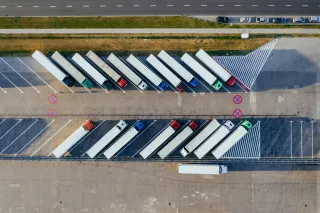
Why Fleet Depot Charging Takes Longer Than Buying the Trucks
Amazon runs 40,000 electric vans, but connecting a depot to the grid takes 6 to 18 months and transformers are scarce. Why power access is now a site selection and leasing variable. ...more
EV Charging in Real Places
September 16, 2026•8 min read

Marcus Garvey Microgrid: How Onsite Energy Protects Multifamily NOI
How a 625-unit Brooklyn complex built one of NYC's first multifamily microgrids with solar, storage, and a fuel cell, and turned its power bill into net operating income. ...more
Solar, Storage and VPPs ,Microgrids &Electrification Economics at the Property Level
September 16, 2026•8 min read
Video Highlights
Watch featured content, interviews, and coverage from recent events.

The Ecomo's Core Value Proposition (Yuasa International Interview Clip)
In an exclusive conversation with ChargedUp!, Yuasa International Sales Manager Kenichi Kato emphasizes that the core value proposition for the company's Ecomo platform is about operating cost reducti... ...more
Data Center Demand and Innovation ,Electrification Economics at the Property Level
April 01, 2026•1 min read

Energy Efficiency is Increasingly Practical Economics (Yuasa International Interview Clip)
Discover how Yuasa International’s Ecomo helps organizations spending $75K+ monthly on electricity cut waste and boost cash flow. Watch Sales Manager Max DeCapri discuss practical energy efficiency so... ...more
Data Center Demand and Innovation ,Electrification Economics at the Property Level
April 01, 2026•1 min read

From Monopoly Grid to Managed Edge: The Rise of Distributed Energy Raises a New Maintenance Question (Video Clip)
The distributed-energy buildout is accelerating across the United States. As assets move closer to the customer, maintenance becomes harder: who tracks the work, proves compliance and protects asset l... ...more
Grid Stress, Storms and Resilience Economics
March 24, 2026•1 min read
About ChargedUp!
U.S. commercial real estate is undergoing a structural transition. Demand for electricity is surging - along with prices. AI workloads are exploding. Connectivity is becoming the central nervous system of every element inside the built environment. ChargedUp! helps leaders navigate this shift with confidence by bringing them together. We cover the convergence of Electricity + Connectivity + AI—the technologies that now define asset value, operational resilience, and future growth for real estate owners and the communities they serve. Our mission is simple: Separate signal from noise. Translate policy, technology, and economics into practical opportunity.Empower users to make smarter decisions about their infrastructure.

Are you Feeling "Charged up"?
Join Our Mailing List
Newsletter Signup
Sign up for the ChargedUp!™ newsletter to receive valuable industry insights and headlines weekly.